
APEX-1132 only works on asphalt shingles. Flat or low-slope roofs are out, whether they're TPO, EPDM, modified bitumen or tar and gravel. So are metal roofs. If shingled buildings share the property with a flat-roof clubhouse or office, we treat the shingle roofs and leave the rest alone.
Why a whole complex comes due at once
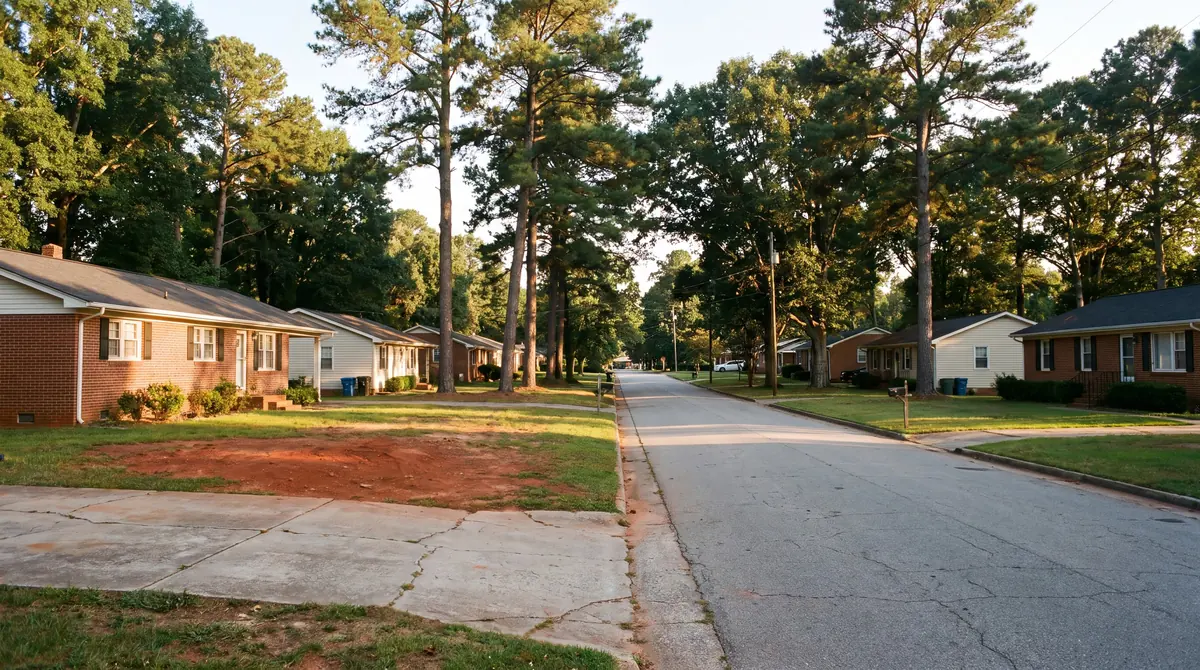
Many apartment communities were built in one or two phases. Every building got the same kind of shingle at about the same time. Then they all sat through the same Piedmont summers. Heat and strong sun went to work on the asphalt of every roof at once.
So the roofs age as a group. For years nobody thinks about them. Then the whole property lands on the capital plan in the same year or two, right next to paving and HVAC.
Same age doesn't mean same condition, though. A building that bakes in afternoon sun dries out faster than one shaded by pines. That gap helps you, because the buildings don't all need the same answer in the same year.
The math, building by building
A treatment is usually around 20% of the replacement price. It's priced by roof square footage, so each building gets its own number. The property's value and the rent roll don't change it.
Try a made-up property with round numbers. Say it has 10 buildings with roofs about the same size. At around 20% each, treating all 10 costs about what two replacements would. Each treated roof gains up to about 5 years.
That changes how the wave hits. Instead of funding 10 new roofs at once, you can:
- Treat the sound roofs now and push their replacements out
- Move the few that don't qualify to the front of the replacement line
- Re-treat about every 5 years while each roof stays a candidate, for up to about 15 extra years
- Replace the rest a few buildings at a time, in years you pick
See roof rejuvenation cost for how pricing works.
Running a project across many buildings
- 01Send the building list
Send the address and a site map or building numbers. Our area runs roughly 40 miles out from Asheboro, and the service areas page lists the towns.
- 02The owner walks every building
He does every assessment himself, one roof at a time. Then he tells you plainly which ones qualify.
- 03Sort into three groups
Treat now, treat later and replace. Any building in the later group gets a fresh look before its turn comes.
- 04Pick the order and the budget years
Decide which buildings go first and which year each one lands in. If you answer to an owner or investors, tell us what they need to see. We'll talk it through at the assessment.
- 05Send residents a notice
We suggest the leasing office sends a notice for each building a few days ahead. We'll go over the dates and what residents need to do, so it's easy to write.
- 06Tune-up, then treatment
Each roof gets a tune-up before the spray goes on. We only spray in mild, dry weather, so rain can push a building's date back.
Keeping units occupied while we work
Replacing the roof on an occupied building is hard on residents. There's a tear-off, a dumpster eating parking spaces and days of banging overhead. Rejuvenation skips all of that.
The treatment is sprayed on, and each roof takes hours, not days. A large building takes longer. The product is made from soybean oil and has little to no odor. In mild weather (around 70 to 80F, 50% humidity), the surface is tack free in about 30 minutes. Your maintenance tech could get up there after about an hour, and the roof is fully cured within 1 to 2 hours. The old shingles stay on the roof instead of going to the landfill.
For your notice to residents:
- The date for their building, and that rain can move it
- Move cars parked right under the eaves
- Keep pets inside while their building is sprayed
- Stay clear of the work area until it's dry
- Keep windows shut on that building during spraying
Townhome-style rentals and senior apartments often have patios and walkways right at the roof edge, so keep those clear. Overspray on cars, windows or plants rinses off with water.
Fewer small leak calls, and the insurance question
Leak calls. On a big property, small roof problems turn into work orders. A shingle tab lifts in a storm. A nail backs out. Sealant cracks around a vent pipe, and a top-floor resident calls the office.
The tune-up before each treatment goes after that small stuff. It covers loose shingles, cracked flashing sealant and nail pops. That can mean fewer small leak calls, but nobody can promise a roof won't leak. A building already leaking from a failed roof needs repair first, since rejuvenation doesn't stop leaks.
Insurance. Carriers in NC look closely at aging roofs at renewal, and an apartment policy covers a lot of roof. Having a tune-up and treatment on record can help an aging roof's case. We can't promise what an underwriter decides, so ask your agent. More on aging roofs and insurance.
Which buildings are a fit
Good fit
- Pitched asphalt shingle roofs, architectural or 3-tab
- Shingles that look dry or faded, or shed some granules, but still lie flat
- Solid decking, with no water coming in from a failed roof
- Several buildings heading toward replacement around the same time
- An owner who'd rather spread replacements over several budget years
Not a fit
- Flat or low-slope roofs, as on some buildings and clubhouses
- Metal, tile or slate roofs
- Missing shingles, or shingles cracked through or badly curled
- Soft or sagging spots in the decking
- Black algae streaks you want gone, since the treatment doesn't remove algae
When replacement is the right call
Some buildings may be past treatment. Spending around 20% of a replacement on a worn-out roof just delays a bill you still have to pay. We'd rather tell you a building isn't a candidate than sell a treatment that won't pay off.
Replacement is usually the better move when:
- The decking is soft, or leaks have already damaged it
- Shingles crack when bent instead of flexing
- You're re-siding or renovating that building soon and want it all done together
Those buildings go on the replacement plan. Treating the sound ones can buy time to fund them. The rejuvenation vs. replacement page covers the trade-offs, and a free roof assessment shows which group each building is in.
Common questions
Can you treat apartment roofs while residents are home?
Yes. It's exterior spray work with no tear-off, so nobody has to leave their unit. The product is made from soybean oil and has little to no odor. Ask residents to keep pets in, move cars from under the eaves and stay out of the work area until it dries. In mild weather, that's about an hour.
Is roof rejuvenation worth it on an apartment complex?
It can be, for buildings with aging asphalt shingles that are still sound. Each roof usually costs around 20% of its replacement price to treat, and it can gain up to about 5 years. When many roofs come due together, that can turn one huge capital year into a plan spread over several. Buildings past saving still need replacing.
Can we treat a few buildings a year?
Yes. Each building is priced and scheduled on its own, so you can treat some this year and more next year. A roof that qualified two years ago might not now. Any building held for later gets a fresh look before treatment.
What about the flat roof on our clubhouse?
We can't treat it. Our treatment only works on asphalt shingles. Flat roofs are usually a membrane, like TPO or EPDM, or a built-up roof. Those need a roofer who works on that type. If the clubhouse has a pitched shingle section, like an entry roof, that part can be treated if it qualifies.