Why community roofs turn into a reserve problem
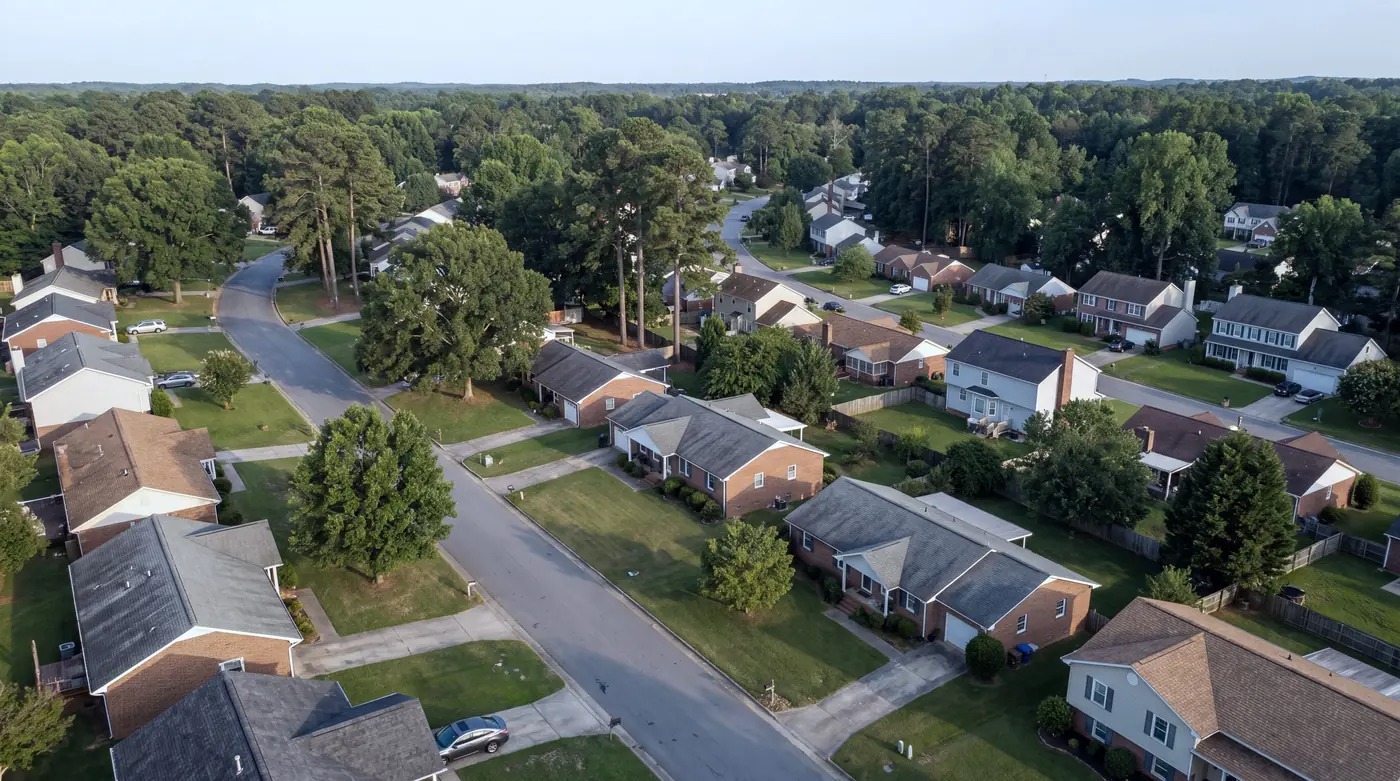
Townhome and condo communities are often built over just a few years. So the roofs wear out on about the same schedule. Here in the Piedmont, the same summer heat, strong sun and tree shade work on every building at once. When the reserve study says they're due, the bill lands all at once. That can mean a special assessment nobody wants to vote for.
Rejuvenation won't make an old roof new. What it can do is add up to about 5 years of life per treatment to shingles that are aging but still sound. The cost is usually around 20% of replacing the roof. That buys the board time to rebuild the reserve.
Which community buildings qualify
This is for asphalt shingles only. Some condo buildings have flat or low-slope roofs, and those aren't a fit. On a mixed property, only the shingle sections can be treated. The commercial roof rejuvenation page covers other building types.
Good fit when
- Townhome rows have architectural or 3-tab shingles
- Condo buildings have pitched asphalt shingle roofs
- A clubhouse, pool house or gatehouse has shingles
- Shingles are faded or dropping granules but still lie flat
- The decking feels solid underfoot
Not a fit when
- The roof is flat or low-slope (TPO, EPDM, PVC, modified bitumen or built-up)
- The roof is metal, tile or slate
- Large areas of shingles are missing
- The decking is soft or rotted
- The building leaks because the roof has failed
Condo associations
In a condo building, one roof often covers several units. If your association owns and maintains the roofs, rejuvenation works the same way it does for a townhome HOA. The price is set by roof square footage, the same as any building. Who is responsible for which roof comes from your association's documents, so that's a question for your board, not for us.
A few things help on a condo building:
- The board or manager sets the date with us. Sending notices to owners is the board's job.
- People and pets stay off the work area until it's dry, about an hour in mild weather.
- Rain moves the date, so put a backup day in the notice.
- Bigger buildings are often mixed, like a flat main roof with shingled mansards. Only the shingle sections can be treated.
How a community project can work
- 01Assess each building
The owner assesses the roofs himself, building by building. Some will be good candidates. Some won't.
- 02Phase the work
Treat the buildings that qualify now. Put the ones that don't on the replacement schedule. Treatments can also be spread across budget years.
- 03Tune-up first
Every treated roof gets a tune-up first. Loose shingles get secured, flashing gets resealed and nail pops get fixed.
- 04Treat and file the terms
Each treatment comes with a 5-year transferable warranty, and we give you the written terms before work starts. Keep the terms for each building with the association's records.
What to bring to the board
Boards want numbers they can check. Here's what's worth putting in front of them:
- Which buildings are candidates, and which need replacing
- The price for each building that qualifies, set by roof square footage
- The replacement cost you're putting off, from your reserve study or roofer quotes
- The maker's data sheet results, on the APEX-1132 lab results page
- The re-treatment plan, about every 5 years for up to about 15 extra years total
Tell us what your board needs to see, and we'll talk it through at the assessment.
What owners will likely ask
It's made from soybean oil and it's biodegradable, with 96% certified biobased content under USDA BioPreferred. It's pH neutral, with little to no odor.
The treatment goes on in hours, not days. Buildings vary in size, so the schedule for each one comes out of the assessment.
No. It's preventive care. A leaking building needs repair first, and some roofs need replacing.
No. The treatment doesn't kill algae. Streaks on north-facing slopes need cleaning on their own.
We'll tell the board which roofs aren't candidates, even if that means fewer buildings to treat. Putting a treatment on a failing roof just wastes reserve money.
Common questions
Is roof rejuvenation a good alternative to HOA roof replacement?
For buildings with aging but sound asphalt shingles, it can be. A treatment adds up to about 5 years per application. Roofs at the end of their life still need replacing. Compare both on the rejuvenation vs. replacement page.
Can a condo association use roof rejuvenation?
Yes, if the roofs are asphalt shingle and still sound. A shared roof over several units is priced by its square footage, like any roof. Who approves and pays for roof work comes from your association's documents, so check those first. Flat or low-slope condo roofs aren't candidates.
Can treatments be phased over more than one budget year?
Yes. Each building is its own job. You can treat the best candidates first and schedule the rest later. Those later roofs still need to qualify when their turn comes, so they get assessed again before treatment.
What roofs in our community can be treated?
Asphalt shingle roofs only, architectural or 3-tab. If a clubhouse or pool house has a flat or metal roof, that part isn't a candidate. The free roof assessment shows which buildings qualify.
How does the warranty work for an HOA?
Each treatment comes with a 5-year transferable warranty, and we give you the written terms before work starts. On a community with several buildings, each address gets its own warranty. Keep the terms with your reserve study records so the next board has them when it's time to re-treat or sell a unit.